

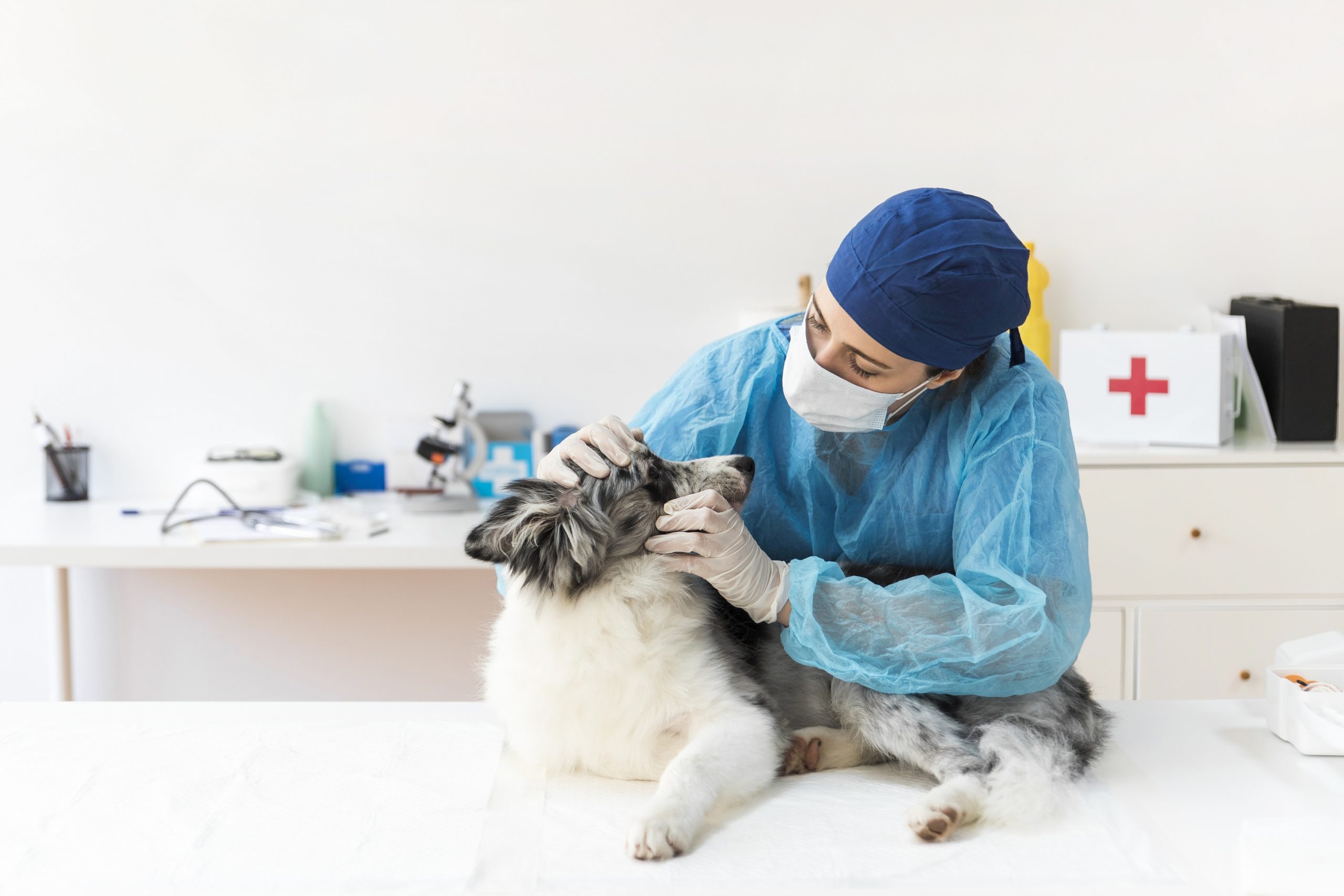
There is no diagnosis more dreaded by a pet owner. However, being diagnosed with cancer is not a death sentence for your dog! The great news is that the disease can be treated in several ways, and there is all the chance in the world that your loyal companion will be there by your side for many more years to come. Here is a comprehensive guide to what to expect from treatment when your dog is diagnosed with cancer.
The different cancer treatment options
Those providing veterinary care in Saugerties, and any other veterinary professional for that matter, will usually have three main options from which to choose when it comes to treating cancer in dogs. These options include surgery, chemotherapy, and radiation therapy.
In some cases, the vet treating the dog may opt to follow the course of a single type of treatment; however, many vets opt to go the route of combination therapy, which involves using a combination of two or all three of these approaches to treatment. Primarily, the treatment plan will depend on a variety of factors, including the age of the dog, and if and how extensively cancer has spread.
Surgery
Surgery is usually implemented in the treatment of a dog with cancer in almost all cases unless the cancer is believed to be terminal or the cancerous cells are challenging to reach. It is also almost always combined with radiation therapy, chemotherapy, or both. The goal of a surgical approach to cancer treatment is to physically remove the cancerous cells from the animal’s body to eliminate the disease and stop it from spreading.
Radiation therapy
Radiation therapy strives to damage cancerous cells beyond repair, ultimately preventing them from spreading further. Radiation therapy in dogs usually takes place over six weeks. However, it is one of the approaches to treatment that also brings about some side effects. Many dogs will experience dry skin, eczema, and localized hair loss. The good news is that most animals will recover from any side effects around three weeks after the therapy has come to an end, and some do not suffer from any side effects at all.
Chemotherapy
Chemotherapy is the approach to cancer treatment that uses drugs to destroy or stop the spread of the cancer cells in the animal. The end goal is to do this without affecting the dog’s quality of life or general health in the process. Chemotherapy is often used in conjunction with surgery if the entire tumor cannot be removed. Unfortunately, this approach to treatment also comes with its fair share of unpleasant side effects, including lethargy, vomiting, reduced appetite, and hair loss. The positive reality is that animals tend to tolerate chemotherapy much better than most people, which is great news for pet owners.
Caring for a dog with cancer
Dogs receiving treatment for cancer may require extra special care from their owners. For instance, they may need a different type of food. Some studies have shown that cancerous cells thrive when there is plenty of sugar in the body. Pet owners may want to switch to a grain-free, protein-rich alternative. Carbohydrates are chockfull of sugars, after all.
It is also essential to keep your pet comfortable, so now may be a good time to invest in a more supportive dog bed and keep it in a temperate room so your dog remains warm enough.
Ultimately, it is imperative to remain positive and to be there for your best friend every step of the way. As technology continues to advance, there is a much greater chance of a full recovery.
