

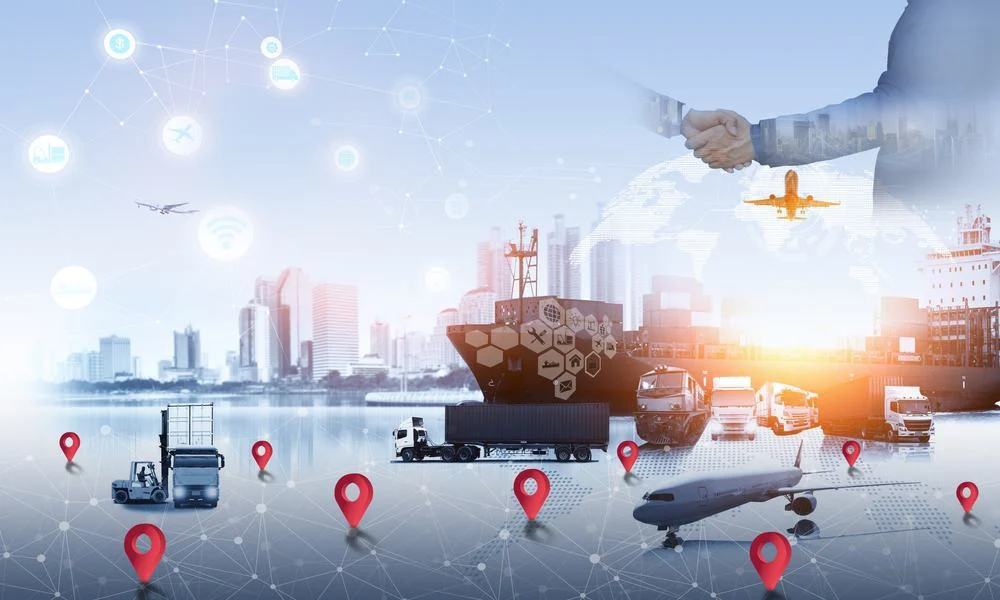
A supply chain network works like an extensive product transportation system which operates similarly to interstates. The highways function without vehicles because they transport materials along with goods until they reach your shopping bag. Farms join forces with factories to be connected through trucks and warehouses in order to establish a precisely organized distribution system with stores.
What Makes Up These Networks?
A complete supply chain network has several vital parts working together:
- The initial points for materials exist at locations that procure raw materials directly from farms, mines, and oil fields.
- Factories that turn materials into valuable products
- Warehouses serve as storage facilities that maintain products until their time of use arrives.
- Movers incorporate automobile vessels and aerospace vehicles to deliver merchandise.
- Stores, together with websites, function as selling places that enable product purchasing.
Why These Networks Matter
Everyone benefits when a supply chain network functions effectively:
For Businesses
Organizations decrease their costs through network optimization while implementing more efficient product distribution methods. Systems simplify the process of coping with unexpected shifts, such as unexpected product popularity among consumers.
For Customers
You get:
- Products when you want them
- Better prices can be achieved because businesses spend less money on delivery costs.
- Fresher food and newer products
- More choices on store shelves
Problems Networks Face
Running a supply chain network isn’t easy. Some significant challenges include:
- Weather Troubles
Natural weather disturbances, along with floods, eliminate the ability of products to move
- Distance Issues
Distance extends between products and markets, increasing the possibility of various problems occurring
- Information Gaps
Mistakes occur because different elements in the network lack quick information-sharing capabilities.
Smart Solutions
Today’s best supply chain networks use clever approaches:
- The systems leverage computer software to display precise product location information.
- The business intends to maintain plans to overcome difficulties when problems erupt.
- Relationships with multiple suppliers in different locations
- The supply chain depends on scheduled maintenance programs to discover and eliminate weaknesses inside the network.
Tomorrow’s Networks
Dealing with supply chain systems tomorrow offers many interesting opportunities. These supply chain networks benefit from new technology that includes robot workers and self-driving trucks, plus systems that foresee issues to keep them running better than before. Digital twins provide planners with virtual copies that let them safely test planned changes ahead of actual implementation. Packages are equipped with tiny sensors that monitor temperature and humidity levels to maintain product quality. The integration of green power solutions into warehouses along with electric vehicles for delivery operates the networks while being beneficial to environmental health.
Learning about supply chain networks helps us value the process behind everyday items delivered to our home addresses.
