

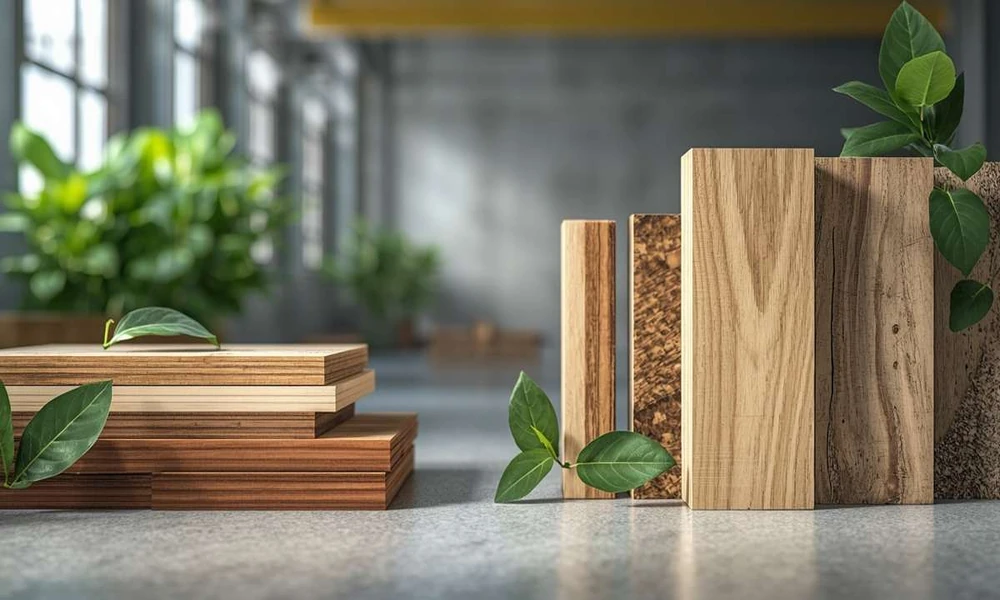
With regard to contemporary architecture, eco-friendly building practices are considered of primary importance. For that reason, green building certifications like LEED promote the use of sustainably sourced materials that ensure both environmental and health benefits associated with eco-construction. Among many decorative materials, natural veneer is often regarded as the preferred one due to its unique combination of aesthetic value and sustainable use of timber resources. Consequently, the use of veneer green building solutions leads to the creation of gorgeous interiors that adhere to environmental designs.
Why Veneer Supports Sustainable Construction
Natural veneer comes from cutting thin slices from timber logs, which makes it possible for one log to cover a much larger surface than a single piece of solid wood. Once more, such an arrangement allows for the significant reduction of timber consumption, for the timber log would be completely used without giving away the unique look of timber.Additionally, veneer requires much less raw material compared to other types of wood read what is veneer wood to understand how the slicing process maximises timber yield, reduces waste, and makes it one of the most resource-efficient decorative surface materials available. Likewise, it can be concluded that the choice of sustainable veneer for interiors is an optimal solution, as using veneer allows one to ensure a balance between aesthetics and environmental concerns.
Contribution Towards LEED Certification
The reason why architects tend to use LEED-certified veneer solutions is their contribution to green building credits. According to the fact that natural veneer is produced using sustainably sourced timber and materials with low emissions, veneer is able to guarantee high indoor quality and correct material choice. Consequently, veneer being compliant with established eco-standards can help meet the sustainability goals of the project.
Improving Indoor Environmental Quality
However, sustainability is not limited only to materials. Materials used for the creation of interiors also have an influence on indoor environmental quality. In particular, natural veneer represents an excellent choice in the case of seeking high-quality materials. Natural veneer ensures low emissions, thus improving indoor air quality and supporting sustainable veneer for interiors.
Choosing Responsibly Manufactured Veneer
It must be noted that the sustainability of veneer is to a great extent dependent upon its quality and production. For this reason, one should always prefer the choice of responsibly sourced veneer. Collections such as Royale Touche Natural Veneers crafted from responsibly sourced oak, walnut, ash, and teak – can be regarded as the best solution that ensures the use of beautiful natural wood without harm to the ecosystem.
Sustainability Beyond Certification
Green building is not only about earning a lot of credits, but also making responsible decisions regarding the materials used in construction. Thus, high-quality veneer contributes to the reduction of waste both at the time of construction and throughout the life of the space, making veneer green building practices more meaningful.
Conclusion
Taking into account the information stated above, one can conclude that natural veneer offers an ideal combination of appealing looks and sustainability advantages.
