

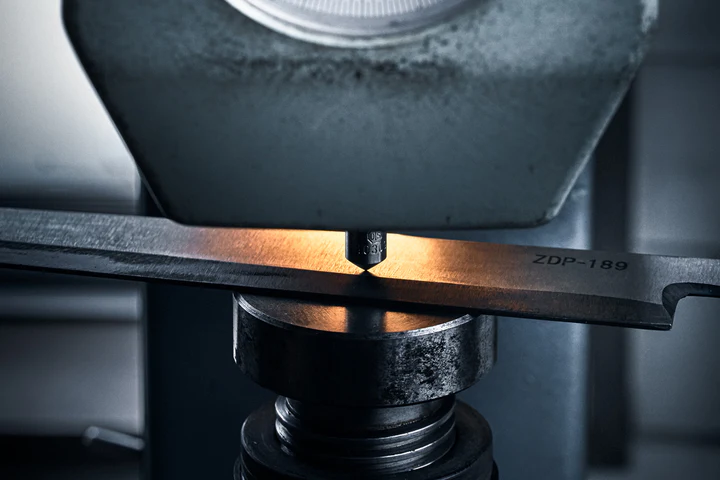
Steel from steel companies in India is one of the most versatile and widely used materials in various industries, ranging from construction to automotive manufacturing. The hardness of steel is a critical factor that determines its suitability for different applications. Understanding steel hardness grades is essential for making informed decisions when selecting materials for specific projects. This article explores everything you need to know about steel hardness grades, focusing on their significance, measurement methods, and applications.
Understanding Steel Hardness
One of the aspects that steel manufacturers in India work to make better is hardness. It refers to a material’s resistance to deformation, particularly permanent deformation, scratching, or indentation of heavy steel plate. The hardness is influenced by several factors, including its composition, heat treatment process, and microstructure. Harder steel generally exhibits higher resistance to wear and tear, making it ideal for applications requiring durability and strength.
Measurement of Steel Hardness
The hardness of steel made by steel plate manufacturers in India is measured using various scales, with the most common being the Rockwell, Brinell, and Vickers hardness tests.
Rockwell Hardness Test: The Rockwell test measures the depth of penetration of an indenter under a large load compared to the penetration made by a preload. The result is expressed as a Rockwell Hardness Number (HR), where a higher number indicates harder steel. Rockwell scales include HRB, HRC, and others, depending on the type of indenter and load used.
Brinell Hardness Test: The Brinell test involves pressing a hard steel or carbide ball into the steel surface under a specific load. The diameter of the indentation left on the surface is measured, and the Brinell Hardness Number (BHN) is calculated. This test is often used for materials with a coarse or uneven grain structure.
Vickers Hardness Test: The Vickers test uses a diamond indenter to make an indentation on the steel surface under a controlled load. The size of the indentation is measured, and the Vickers Hardness Number (HV) is calculated. This test is highly accurate and can be used for thin materials and small parts.
Common Steel Hardness Grades
Mild Steel (Low Carbon Steel): Mild steel typically has a Brinell hardness of 120-180 BHN and a Rockwell hardness of around 70 HRB. It is relatively soft and malleable, making it ideal for applications such as structural steel, pipelines, and automotive body parts.
Medium Carbon Steel: Medium carbon steel, with a carbon content of 0.3% to 0.6%, has a higher hardness, usually around 180-240 BHN and 70-95 HRB. It is used in applications requiring greater strength, such as axles, gears, and shafts.
High Carbon Steel: High carbon steel, containing 0.6% to 1.0% carbon, has a hardness of 240-650 BHN and 55-66 HRC. It is extremely hard and brittle, making it suitable for cutting tools, springs, and high-strength wires.
Tool Steel: Tool steel is designed for use in cutting, pressing, and molding tools. It typically has a hardness ranging from 180 to 700 BHN and 55-66 HRC, depending on the specific alloy and heat treatment. Tool steel is known for its excellent wear resistance and durability.
Stainless Steel: Stainless steel, an alloy containing chromium and nickel, has a hardness that can vary widely depending on its grade and heat treatment. Martensitic stainless steel can achieve hardness levels up to 60 HRC, making it ideal for surgical instruments, blades, and wear-resistant applications.
Importance of Steel Hardness in Industry
Steel hardness plays a crucial role in determining its application across various industries. For instance, in the automotive sector, harder steel is preferred for engine components, gears, and axles due to its durability and wear resistance. In construction, steel manufacturers in India produce hardened steel plates that are used in building frameworks, bridges, and heavy machinery. Steel plate manufacturers in India also cater to the defense industry by supplying high-hardness steel plates for armored vehicles and protective structures.
Choosing the Right Steel Hardness Grade
Selecting the appropriate steel hardness grade depends on the specific requirements of the application. Engineers and designers must consider factors such as the environment, load conditions, and desired lifespan of the product. Collaboration with steel companies in India can provide valuable insights and recommendations for choosing the best steel grade for a particular project.
Conclusion
Understanding steel hardness grades is essential for making informed decisions in material selection across various industries. From construction to manufacturing, the right steel hardness can significantly impact the performance, durability, and longevity of a product. By partnering with reputable steel manufacturers in India and steel plate manufacturers in India, businesses can ensure they have access to high-quality materials tailored to their specific needs. With the right knowledge of steel hardness grades, industry professionals can optimize their projects and achieve superior results.
